
Posts

When Lice Keep Coming Back: Understanding Reinfestation vs. Incomplete Treatment


Nothing’s more frustrating than thinking you’ve kicked lice to the curb, only to have them pop back up a week or two later. But here’s the thing: it’s not always a “new case” — and it doesn’t always mean someone did something wrong. When lice return, it’s usually the result of one of two things: reinfestation or incomplete treatment. And knowing the difference can save you a ton of stress (and money). 

Incomplete Treatment: When the First Round Didn’t Finish the Job
Lice removal isn’t just about killing the bugs — it’s about removing every last nit, too. Even one missed egg can hatch and restart the entire cycle. Over-the-counter products often kill live lice but don’t always stop the nits from hatching. If no one combs out the eggs or checks thoroughly over the next 7–10 days, you’re back to square one.

Professional treatment is so thorough because it addresses both the live bugs and the eggs — usually through meticulous strand-by-strand combing and follow-up checks.

Still seeing lice after treatment? We’ll help determine if it’s leftover eggs or a brand-new case — and get your family truly lice-free.


Reinfestation: When You Catch It Again
Reinfestation means the treatment worked but lice came back through a new exposure. This can happen at sleepovers, shared beds, camps, or close-contact sports. Even if one child is lice-free, being around someone with an active case can start it all over again.

Lice don’t jump or fly, but they’re great at crawling from one head to another during hugs, selfies, or back-to-back movies on the couch. That’s why treating the whole household and doing follow-up head checks is just as important as the first appointment.

How to Tell Which One You’re Dealing With

  • If lice show up again within 7–10 days of treatment, it’s often incomplete removal (especially if only OTC methods were used).
  • If it’s been 2–3+ weeks since your last treatment and you were lice-free after, you’re probably dealing with reinfestation.
  • Seeing lots of small nits and few live bugs? That points to a new case starting.

Pro Tip: Always schedule a follow-up head check after your first treatment. Catching a missed nit early can stop a full-blown repeat case in its tracks.

It’s Not Your Fault — and You’re Not Alone
Lice are persistent. Families who follow every rule can still run into repeat cases. Whether you’re dealing with lingering nits or back-to-back exposures, a professional can help figure out what’s going on and create a plan that works.
Super Lice: What They Are and How to Get Rid of Them for Good

If you’ve battled lice before, only to have them return stronger than ever, you might be dealing with super lice. These stubborn pests aren’t some sci-fi mutation — they’re just head lice that have built resistance to common over-the-counter treatments. But don’t worry! You can still get rid of them for good with the right approach. Let’s break down what makes super lice different and how to eliminate them once and for all.

What Are Super Lice?

Super lice are regular head lice that have adapted to survive the chemical treatments that used to kill them. Over time, these tiny parasites developed resistance to common pesticide-based shampoos, making traditional drugstore treatments far less effective.

The symptoms are exactly the same as regular lice:

  • Itchy scalp (though not always!)
  • Tiny white nits (eggs) stuck to the hair shaft
  • Lice crawling in the hair

The real problem? Since over-the-counter treatments don’t work as well, many people unknowingly keep lice around, leading to endless cycles of infestation.

Why Drugstore Lice Treatments Fail 

Many lice shampoos contain pyrethroids, a class of insecticides that used to be effective. But studies show that over 98% of lice in the U.S. have developed resistance to these chemicals. That means you can follow all the directions perfectly and still end up with live lice clinging to the scalp.

Plus, pesticide-based treatments don’t kill all the nits. If just one or two eggs hatch, the cycle starts all over again. So, what actually works?

The Best Way to Get Rid of Super Lice

The most effective solution isn’t in the pharmacy aisle — it’s in professional lice removal. Lice clinics use methods that physically remove lice and nits, breaking the cycle for good. Here’s how they do it:

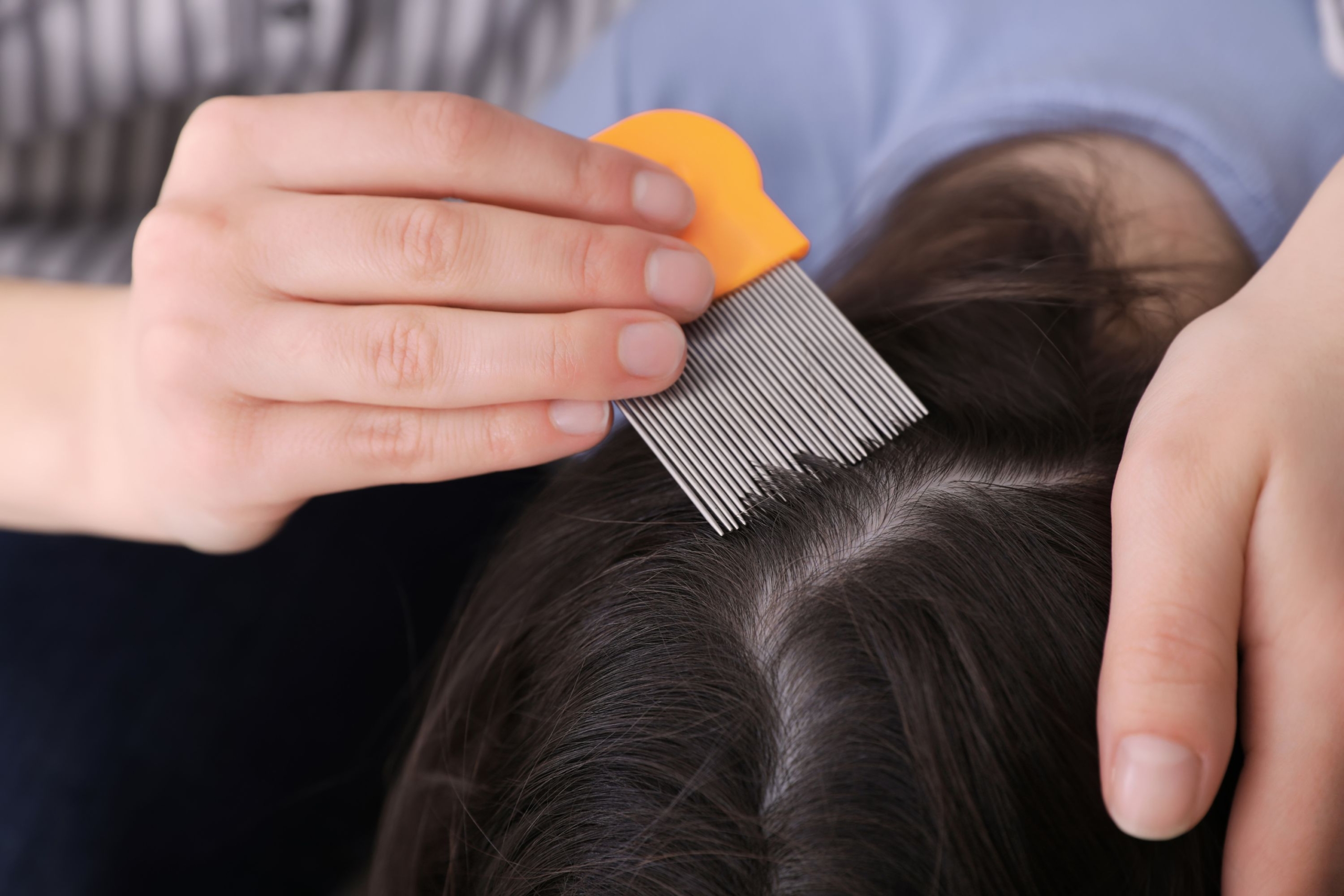
  • Professional combing: Trained specialists use fine-toothed lice combs to remove every last louse and nit. This step is key — no shortcuts!
  • Heated air treatment: Many lice clinics use FDA-cleared devices that dehydrate lice and eggs in a single session. No chemicals, no resistance. Some clinics use cool air instead of heating to achieve the same eradication.
  • Follow-up checks: Experts ensure that no sneaky nits were left behind, preventing reinfestation.

These professional treatments have guaranteed success, unlike drugstore options.

Preventing Lice from Coming Back

Once you’ve cleared an infestation, keep lice away with these simple tips:

  • Avoid head-to-head contact: Lice don’t jump or fly — they crawl. Keep long hair tied back, and teach kids to avoid close-contact activities where heads touch.
  • Skip the unnecessary deep clean: Lice don’t live long off the head, so focus on treating hair, not your whole house.
  • Regular lice checks: Catching lice early makes removal easier. If you’re unsure, professional head checks are a great option.

Say Goodbye to Super Lice for Good

Super lice might be tougher than regular lice, but they’re not invincible. The key is to skip ineffective treatments and go straight to professional lice removal. It’s the fastest, safest, and most reliable way to eliminate lice completely — without endless re-infestations.


So if lice keep coming back, don’t waste time with drugstore treatments. Find a professional lice clinic near you and get rid of them for good!